Your phone's two biggest rivals just teamed up - and transformation teams should be paying attention
On 8 June, Apple unveiled the next generation of Apple Intelligence. The most interesting part is who built it. Apple's new Foundation Models are custom-built in collaboration with Google and its Gemini models, running on device and on servers through Private Cloud Compute.
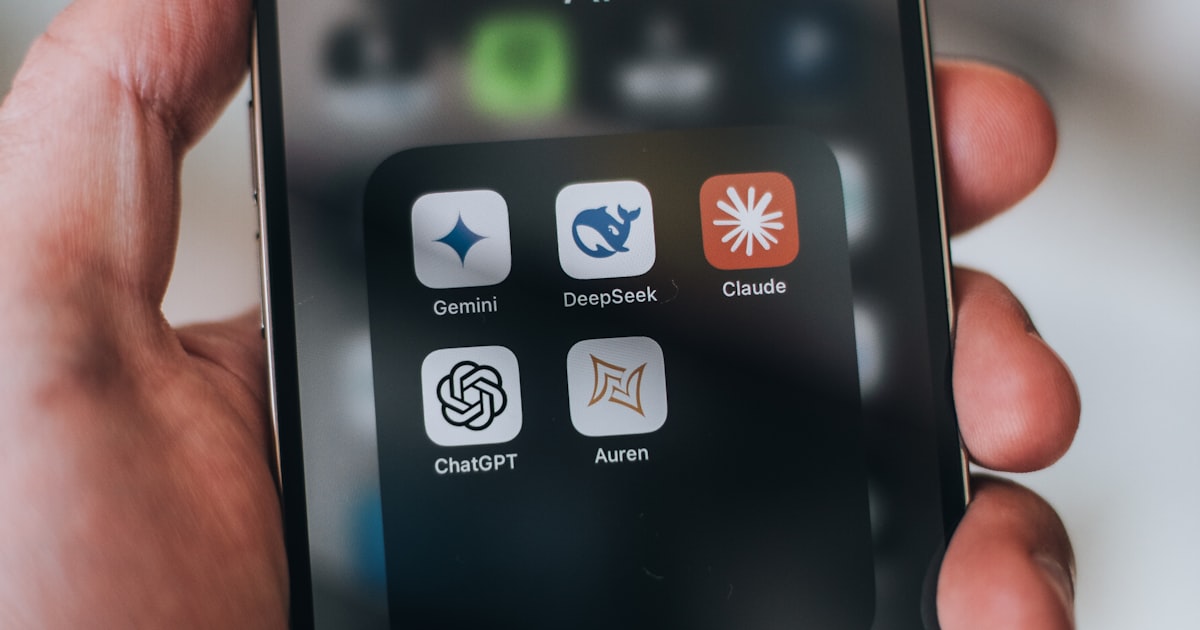
That deserves a moment. For years the smartphone world has split into two camps. You are either Apple or you are Android, and Android runs on Google. The two companies have been treated as arch-rivals for the best part of two decades. Now the most personal software on an iPhone is powered partly by its biggest competitor. The line between rivals and partners just blurred.
For anyone leading digital or business transformation, that is the first lesson, and it arrives before any of the features do. More on that shortly. First, what users actually get.
Photos gets the biggest visible upgrade. Spatial Reframing changes the composition of a shot after it's been taken, shifting perspective as though you'd moved the camera. Extend fills in the space around your subject and straightens a crooked horizon without cropping anything out. Clean Up removes distractions with far more realistic infill, even in busy scenes.
Safari starts tidying up after you. It groups your open tabs into topics automatically, and Notify Me watches a page for changes like restocks or price drops and pings you when something moves.
Passwords starts acting for you. It finds weak and compromised logins and upgrades them to strong passwords automatically, navigating the websites on your behalf. That is agentic AI shipping to ordinary users, and it is the moment transformation teams should sit up.
Image Playground can now produce photorealistic images, each carrying a hidden SynthID watermark marking it as AI-made. The same watermark applies to AI-edited photos.
The everyday helpers do the heavy lifting. Messages and Mail offer one-tap suggestions drawn from your conversations, and Smart Reply writes in your own style. Calendar and Shortcuts let you describe what you want in plain language and assemble it for you.
Here is why all of this matters beyond the consumer.
When agentic features and describe-it-and-it-happens interfaces land on millions of phones, expectations change overnight. Staff who upgrade their passwords with a tap at home will ask why the internal systems they use at work still need six manual steps. Transformation teams will feel that pressure first.
The build-versus-buy lesson is sharper still. Apple spent two years insisting its own models were enough. It has now paired Google's engine with its own privacy architecture rather than waiting to catch up alone. Mid-market firms wrestling with the same question now have a very public reference point. Owning the model is not the goal. Owning the experience is.
The privacy model is the part worth studying closely. Apple processes requests on device or through Private Cloud Compute, where personal data is never stored or made accessible to Apple, and outside experts can verify that. For any organisation nervous about feeding sensitive data into AI, that is a working template for borrowing frontier capability without surrendering control.
The features reach developers now and users this autumn with iOS 27. The strategic signal is the real story. Apple has decided that winning the AI race matters more than winning it alone, it has woven the result into the tools people already use, and it has made privacy the thing that sets its version apart. Those are three decisions every transformation leader is about to face.
How we work at #sharp
Apple's choice — buy the engine, own the experience, and design privacy in from the start — is the same choice every mid-market firm now faces. We help you make it well. We are a strategic partner in your transformation, not another agency selling models.
Our approach is discovery-led. Before anyone talks about technology, we map where AI can deliver measurable impact across your operations, customer experience and data and analytics, then sequence the work so the early wins fund the bigger ambitions. Problem first. Technology second. Governed from day one.
If you are weighing where AI fits in your business, the simplest next step is a short, no-obligation conversation. Book a 30-minute AI readiness call.